

Woman, Life, Freedom
Iran International marks the third anniversary of Iran's 2022 protest movement
The Memory That Refuses to Fade
Three years after the death of Mahsa (Jina) Amini, the words Woman, Life, Freedom continue to resonate across Iran and the world, not as a slogan that fades with time, but as a lived reality that reshapes daily life.
The UN fact-finding mission and major news outlets report over 500 people were killed during the 2022 uprising. Close to a thousand were blinded, with thousands more suffering severe injuries. More than 20,000 were arrested, with hundreds still detained. Yet from this bloodshed and courage emerged something the government cannot reverse: many Iranian women now walk unveiled in public, a quiet revolution unfolding on every street corner.
For the third anniversary of the movement, Iran International created a campaign centred on remembrance, resistance, and unity. At its centre was an installation of 1,000 origami cranes, each bird carrying a name or message for victims killed, injured or imprisoned in the protests.
Carefully arranged and suspended by hand in a darkened studio, the cranes formed three words: Woman, Life, Freedom, when viewed from a specific angle.
No digital effects. Only paper, light, and human touch.
The Memory That Refuses to Fade
Three years after the death of Mahsa (Jina) Amini, the words Woman, Life, Freedom continue to resonate across Iran and the world, not as a slogan that fades with time, but as a lived reality that reshapes daily life.
The UN fact-finding mission and major news outlets report over 500 people were killed during the 2022 uprising. Close to a thousand were blinded, with thousands more suffering severe injuries. More than 20,000 were arrested, with hundreds still detained. Yet from this bloodshed and courage emerged something the government cannot reverse: many Iranian women now walk unveiled in public, a quiet revolution unfolding on every street corner.
For the third anniversary of the movement, Iran International created a campaign centred on remembrance, resistance, and unity. At its centre was an installation of 1,000 origami cranes, each bird carrying a name or message for victims killed, injured or imprisoned in the protests.
Carefully arranged and suspended by hand in a darkened studio, the cranes formed three words: Woman, Life, Freedom, when viewed from a specific angle.
No digital effects. Only paper, light, and human touch.
The Roots of Rebellion
To understand this installation, one must first understand its origin.
After Iran's 1979 Islamic Revolution, the government made the hijab compulsory for all women. What began as a mandate became a system of enforcement: morality police patrolled the streets, detaining and fining women for "improper dress." Courts issued sentences that included flogging. Reports emerged of beatings and sexual assault in detention centres.
For decades, Iranian women resisted these laws. But state violence and intimidation prevented their repeal.
On 13 September 2022, Mahsa (Jina) Amini, a 22-year-old woman from Saqqez in Kurdistan Province, was visiting a Tehran park with her brother when she was detained by the morality police for improper wearing of her hijab. Witnesses reported that she was beaten in the back of a police van and collapsed once transferred to the detention centre. She fell into a coma and died three days later in hospital.
Her death ignited the largest protest movement Iran has seen since 1979. Women burnt their headscarves in the streets. Men joined them. Demonstrations spread to more than 160 cities and towns across Iran, and solidarity protests erupted in more than 80 cities worldwide.
The regime's response was brutal. Security forces opened fire on crowds. Human rights organisations documented at least 551 deaths, though the true number is believed to be higher. Hundreds were blinded by pellets deliberately aimed at their faces. Thousands were arrested in sham trials lasting minutes. At least nine protesters were executed on charges including "enmity against God."
But this time, fear could not suppress the movement.
The Roots of Rebellion
To understand this installation, one must first understand its origin.
After Iran's 1979 Islamic Revolution, the government made the hijab compulsory for all women. What began as a mandate became a system of enforcement: morality police patrolled the streets, detaining and fining women for "improper dress." Courts issued sentences that included flogging. Reports emerged of beatings and sexual assault in detention centres.
For decades, Iranian women resisted these laws. But state violence and intimidation prevented their repeal.
On 13 September 2022, Mahsa (Jina) Amini, a 22-year-old woman from Saqqez in Kurdistan Province, was visiting a Tehran park with her brother when she was detained by the morality police for improper wearing of her hijab. Witnesses reported that she was beaten in the back of a police van and collapsed once transferred to the detention centre. She fell into a coma and died three days later in hospital.
Her death ignited the largest protest movement Iran has seen since 1979. Women burnt their headscarves in the streets. Men joined them. Demonstrations spread to more than 160 cities and towns across Iran, and solidarity protests erupted in more than 80 cities worldwide.
The regime's response was brutal. Security forces opened fire on crowds. Human rights organisations documented at least 551 deaths, though the true number is believed to be higher. Hundreds were blinded by pellets deliberately aimed at their faces. Thousands were arrested in sham trials lasting minutes. At least nine protesters were executed on charges including "enmity against God."
But this time, fear could not suppress the movement.
The Installation: Fragility and Strength
In many cultures, the folded paper bird is a symbol of peace and remembrance, a way to turn something fragile into an enduring gesture. For this anniversary, that symbolism is fitting. Each crane represents both a life and a hope; the act of folding becomes an act of memory, and the act of suspending them together becomes an act of solidarity.
Seeing the cranes align, a thousand individual birds forming a single phrase, embodies the unity that has defined this movement since it began. The names inscribed on their wings were drawn from lists published by human rights organisations, including Iran Human Rights, and from records of political prisoners.
By remembering both the fallen and their dreams, the installation honours the fullness of what was lost, and what endures.
The Voice of Our Audience
Iran International invited its audience to fold their own origami and share it online with the hashtag #MahsaBird.
We provided tutorials for three origami shapes: the Mahsa Bird, symbolising flight and freedom; the Kian Boat, named for nine-year-old Kian Pirfalak, an engineering-obsessed boy killed during the protests; and the Heart of Iran, representing love for the country and solidarity amongst its people.
Participants were asked to write a victim's name or their own hope for Iran's future on their origami creation, then photograph or film it and share it on social media or send it to us on WhatsApp.
The response was overwhelming and very moving. Most submissions came from inside Iran, with a smaller number from the diaspora. Some filmed themselves reading their wishes and hopes aloud. Others, elderly and unable to fold origami, simply wrote their messages on paper and shared those.
Each submission became part of a collective act of remembrance, a testament that the movement's memory would not be erased.
“Each of these paper hearts is a symbol of hope for a prosperous Iran. Long live Iran and its people.“
“It’s our fear, our silence, and our absence that allow them to keep doing this. If anything were going to change, it would have in these 47 years. If we stand together, this story will end - it's up to us.“
“I’m a bus driver. I made this origami bird in memory of all our martyrs, especially Mahsa (Jina) Amini. I hope my colleagues will help keep their memory alive too.“
“For freedom. For Iran.
For the years that were lost.
For the dreams we never reached.
For the youth we never lived.
For the hopes of our children.
Long live Iran. Long live freedom.“
“For Iran’s freedom. May your path endure forever.“
“Woman, Life, Freedom.”
“In the name of Mahsa, Nika, Sarina, and all those killed in 2022. We will not forget. They live in our hearts.“
“In Kian’s name, we built this boat so his dreams live on - a symbol of a generation fighting for freedom and a brighter future.“
Voices of the Victims
The campaign film features the voices of victims and their families, recordings made before the deaths or released afterwards by loved ones. Here are their stories:
Pouya Bakhtiari
"In the hope of a better tomorrow for the people of Iran"
Pouya was killed during the November 2019 protests in Karaj. On the day he was shot dead in the street, Pouya had posted on Instagram, sharing his hopes for Iran's future.
Since his death, his family has refused to be silenced. Despite relentless pressure from security forces, they have kept his name alive and sought justice for his killing. As of 2025, his mother, father, cousin, and several other relatives remain imprisoned.
Pouya's voice opens the campaign film, a thread linking the dreams of those killed in earlier uprisings to the Woman, Life, Freedom movement that followed.
Mahsa (Jina) Amini
"Goodbye to you all"
A few months before her death, Mahsa recorded an audio message as part of a voice audition for a radio programme. After she was killed, her family released the recording. In it, her voice is warm and hopeful as she signs off: "My name is Mahsa… I place you all in the hands of God."
The recording now sounds like an unintended farewell.
Siavash Mahmoudi
17-year-old Siavash was shot in the head from behind by security forces in Tehran. His mother, Leila Mahdavi, has since become one of the movement's most visible grieving voices. In a video recorded on a snow-covered mountainside, she called out to the heavens:
"Siavash! You are my hero… I love you, my son."
Despite constant threats from the regime's security apparatus, Leila has refused to abandon her pursuit of justice.
Sarina Esmailzadeh
Sarina was a gifted student at a school for academically talented children in Karaj. She was 16 when security forces beat her to death with batons.
Just months earlier, she had launched a YouTube channel, posting videos that captured the everyday life of a teenage girl in Iran. In one clip, recorded after finishing her final exam of the school year, she celebrates the arrival of summer holidays. "A sense of release, a sense of freedom," she says, laughing. "What could be better than that?"
A sense of release, a sense of freedom," she says, laughing. "What could be better than that?"
Nika Shakarami
Nika was 15 when she was abducted by government agents during the protests. Ten days later, her body was returned to her family. Evidence suggested she had been sexually assaulted.
The final images that remain of Nika show her in the streets of central Tehran, setting her headscarf alight and defiantly chanting slogans in the face of security forces.
In the campaign film, her voice comes from an earlier recording, a small family gathering where she sings an old Persian song for her family.
Yalda Aghafazli
19-year-old Yalda was detained for 11 days, then released on bail. Her family and friends testified that she bore the marks of severe physical abuse. She had been tortured and pressured to renounce her role in the protests.
In a WhatsApp voice message to a friend, recorded after her release, she said:
"I even told the interrogator that I have no regrets, and in my file, it says the accused has expressed no remorse."
Five days later, she died from her injuries. The authorities refused to allow her family to hold a funeral. The coroner's office initially listed the cause of death as "suicide," then changed it to "overdose," the same explanation given for many others killed during the protests. Her family categorically reject this account.
Majidreza Rahnavard
Majidreza was sentenced to death in a show trial, accused of killing a security officer. Moments before his public execution, security forces staged an interview with him, broadcast on state television.
The footage shows Majid blindfolded, flanked by masked executioners, his body bearing signs of torture. His right arm was visibly broken.
When asked what he wanted for his family after his death, he replied:
"I don't want people to cry at my grave, let them celebrate."
Hadis Najafi
22-year-old Hadis shared her final Instagram post hours before she was killed:
"I want to look back on this day and be glad that I went to the protest, that everything had changed."
Her family refused to be silenced by the regime's threats, courageously declaring that Hadis had been shot dead by security forces, not from "natural causes," as authorities claimed.
Forty days after her killing, thousands of Iranians walked to her graveside for a memorial. Security forces stormed the gathering and opened fire. Several more protesters were killed that day.
Kian Pirfalak
Kian was nine years old when security forces opened fire with machine guns at his father's car. A boy with a passion for engineering, months before his death Kian had built a wooden boat and submitted it to a science competition.
During the test of that boat, he uttered the words in Farsi that translate as:
"So we can conclude that it works."
Pouya Bakhtiari
"In the hope of a better tomorrow for the people of Iran"
Pouya was killed during the November 2019 protests in Karaj. On the day he was shot dead in the street, Pouya had posted on Instagram, sharing his hopes for Iran's future.
Since his death, his family has refused to be silenced. Despite relentless pressure from security forces, they have kept his name alive and sought justice for his killing. As of 2025, his mother, father, cousin, and several other relatives remain imprisoned.
Pouya's voice opens the campaign film, a thread linking the dreams of those killed in earlier uprisings to the Woman, Life, Freedom movement that followed.
Mahsa (Jina) Amini
"Goodbye to you all"
A few months before her death, Mahsa recorded an audio message as part of a voice audition for a radio programme. After she was killed, her family released the recording. In it, her voice is warm and hopeful as she signs off: "My name is Mahsa… I place you all in the hands of God."
The recording now sounds like an unintended farewell.
Siavash Mahmoudi
17-year-old Siavash was shot in the head from behind by security forces in Tehran. His mother, Leila Mahdavi, has since become one of the movement's most visible grieving voices. In a video recorded on a snow-covered mountainside, she called out to the heavens:
"Siavash! You are my hero… I love you, my son."
Despite constant threats from the regime's security apparatus, Leila has refused to abandon her pursuit of justice.
Sarina Esmailzadeh
Sarina was a gifted student at a school for academically talented children in Karaj. She was 16 when security forces beat her to death with batons.
Just months earlier, she had launched a YouTube channel, posting videos that captured the everyday life of a teenage girl in Iran. In one clip, recorded after finishing her final exam of the school year, she celebrates the arrival of summer holidays. "A sense of release, a sense of freedom," she says, laughing. "What could be better than that?"
A sense of release, a sense of freedom," she says, laughing. "What could be better than that?"
Nika Shakarami
Nika was 15 when she was abducted by government agents during the protests. Ten days later, her body was returned to her family. Evidence suggested she had been sexually assaulted.
The final images that remain of Nika show her in the streets of central Tehran, setting her headscarf alight and defiantly chanting slogans in the face of security forces.
In the campaign film, her voice comes from an earlier recording, a small family gathering where she sings an old Persian song for her family.
Yalda Aghafazli
19-year-old Yalda was detained for 11 days, then released on bail. Her family and friends testified that she bore the marks of severe physical abuse. She had been tortured and pressured to renounce her role in the protests.
In a WhatsApp voice message to a friend, recorded after her release, she said:
"I even told the interrogator that I have no regrets, and in my file, it says the accused has expressed no remorse."
Five days later, she died from her injuries. The authorities refused to allow her family to hold a funeral. The coroner's office initially listed the cause of death as "suicide," then changed it to "overdose," the same explanation given for many others killed during the protests. Her family categorically reject this account.
Majidreza Rahnavard
Majidreza was sentenced to death in a show trial, accused of killing a security officer. Moments before his public execution, security forces staged an interview with him, broadcast on state television.
The footage shows Majid blindfolded, flanked by masked executioners, his body bearing signs of torture. His right arm was visibly broken.
When asked what he wanted for his family after his death, he replied:
"I don't want people to cry at my grave, let them celebrate."
Hadis Najafi
22-year-old Hadis shared her final Instagram post hours before she was killed:
"I want to look back on this day and be glad that I went to the protest, that everything had changed."
Her family refused to be silenced by the regime's threats, courageously declaring that Hadis had been shot dead by security forces, not from "natural causes," as authorities claimed.
Forty days after her killing, thousands of Iranians walked to her graveside for a memorial. Security forces stormed the gathering and opened fire. Several more protesters were killed that day.
Kian Pirfalak
Kian was nine years old when security forces opened fire with machine guns at his father's car. A boy with a passion for engineering, months before his death Kian had built a wooden boat and submitted it to a science competition.
During the test of that boat, he uttered the words that translate from Farsi as
"So we can conclude that it works."
Three Years On: How has Iran Changed?
In 2025, three years after Mahsa Amini's death, the Islamic Republic still governs Iran. Legally, nothing has changed. The hijab remains mandatory by law. Thousands remain imprisoned on unsubstantiated charges and the regime's repression apparatus remains intact.
But one thing has fundamentally changed: the millions of Iranian women who reject compulsory veiling now appear in public without headscarves, and the government has lost the power to stop them. The state cannot arrest or fine that many women. In practice, wearing the hijab is becoming a matter of personal choice.
The Woman, Life, Freedom movement did more than change women's behaviour. It reshaped the society. Mandatory veiling had long been a tool of oppression enforced not only by the state but often by families themselves. The movement profoundly changed that dynamic. When women chose to defy compulsory hijab, their fathers, brothers, and husbands stood by them.
Without that family support, the government might have succeeded in suppressing women again.
Now, even many traditional families respect women's decisions not to wear the hijab, something unimaginable before 2022. While there are still occasional reports of confrontations at government offices or banks denying service to unveiled women, the Islamic Republic has effectively lost the ability to enforce its hijab law.
You Can Still Take Part
Anyone can still join the #MahsaBird campaign.
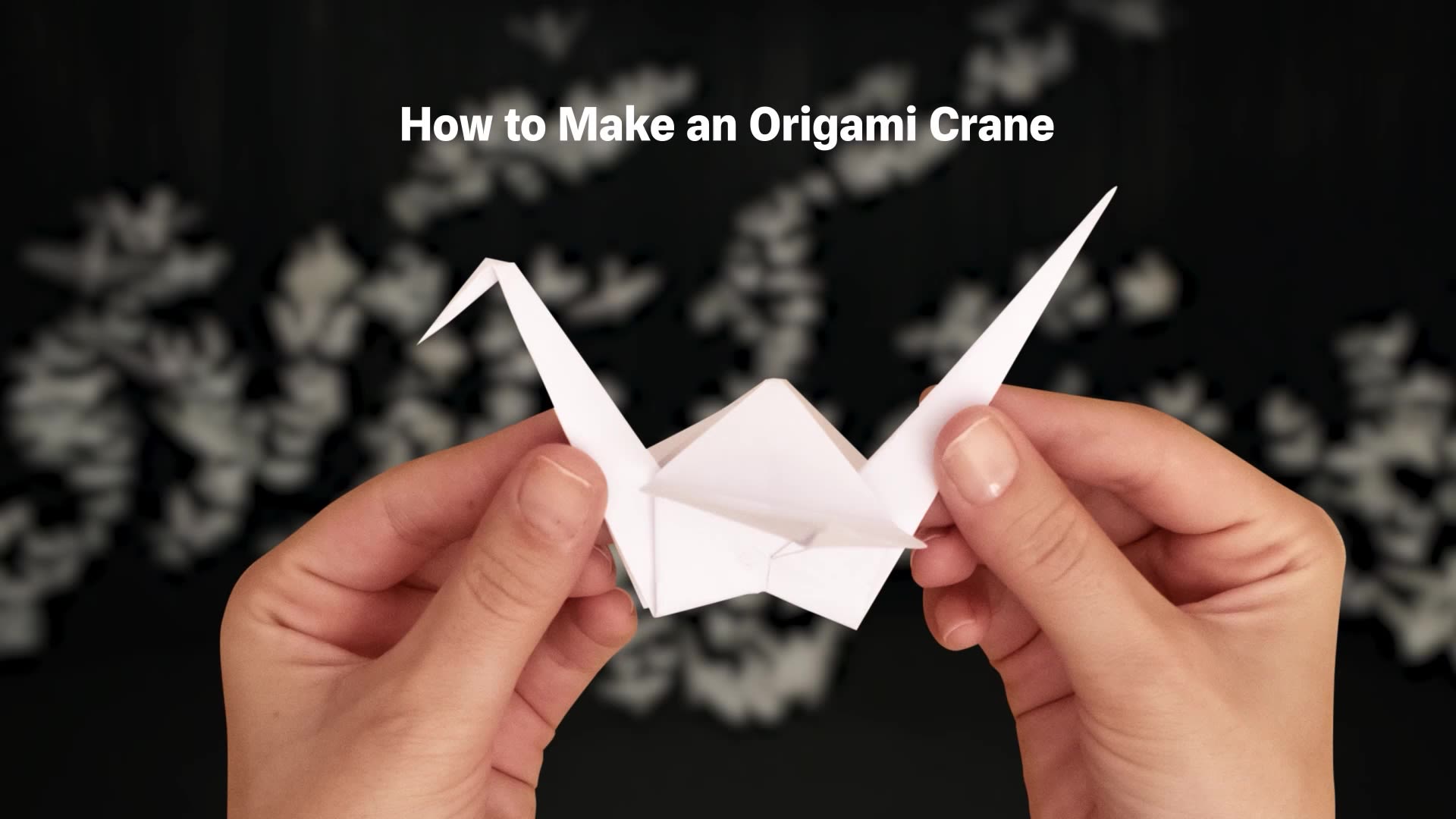
Fold an origami crane and express your hope for Iran's future, and share it online using #MahsaBird, or send it directly to us on Telegram or WhatsApp to +44 78 3000 7000.
Each folded bird adds a new voice to the growing constellation of memory.
+44 78 3000 7000
Woman, Life, Freedom
In memory of the victims, the injured, and the imprisoned